NEPRA weighs fixed monthly charges for small power consumers after net metering changes
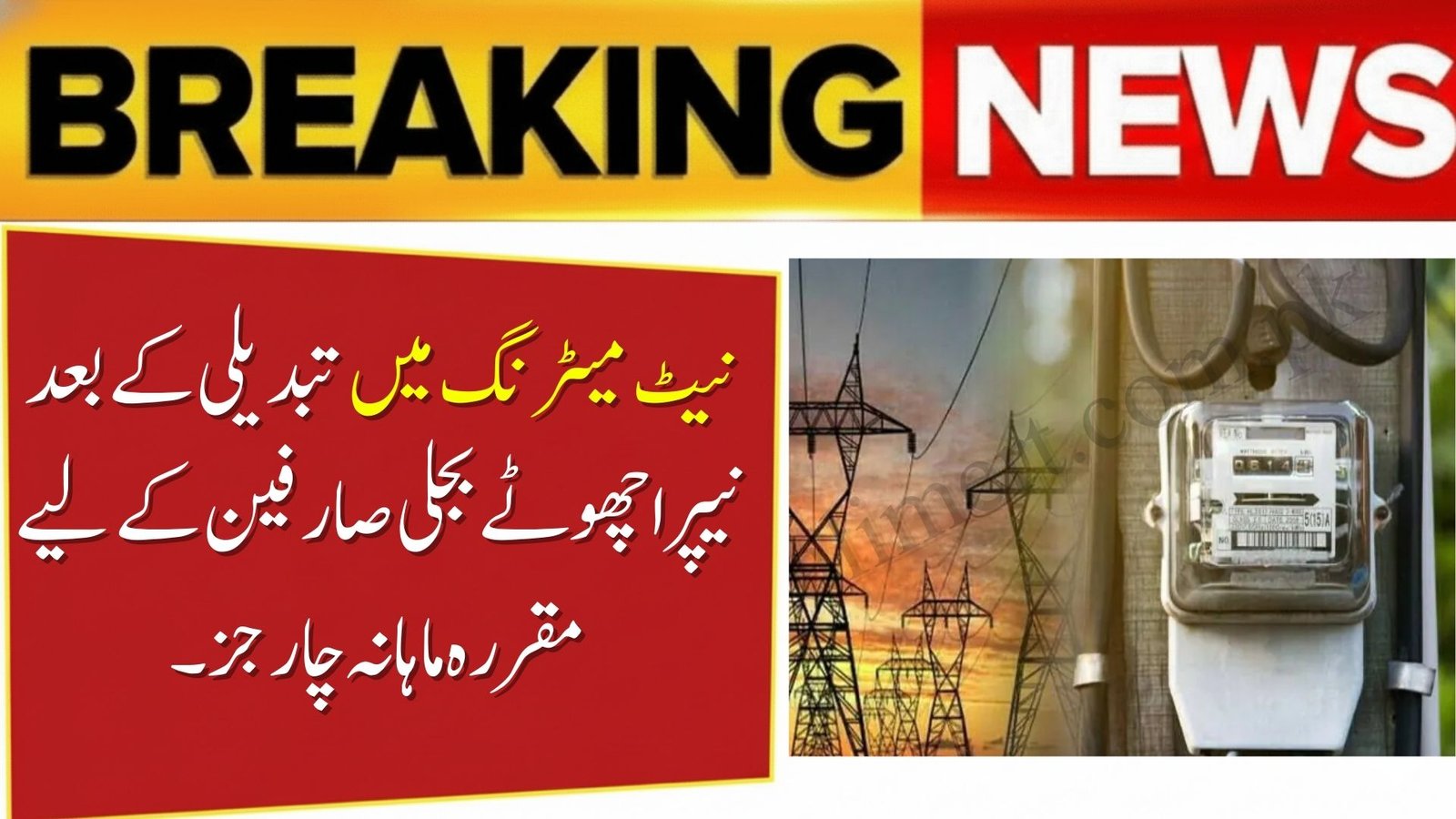

NEPRA weighs fixed monthly charges
Pakistan’s power sector may see another shift as NEPRA weighs fixed monthly charges for small electricity users following major net metering reforms. The proposal, discussed during a recent regulatory hearing, could affect protected and non-protected consumers differently. Many households are worried about rising bills, while others want clarity on how solar users and low-income families will be impacted. Here is a simple breakdown of what the new plan means, who it may affect, and what could happen next.
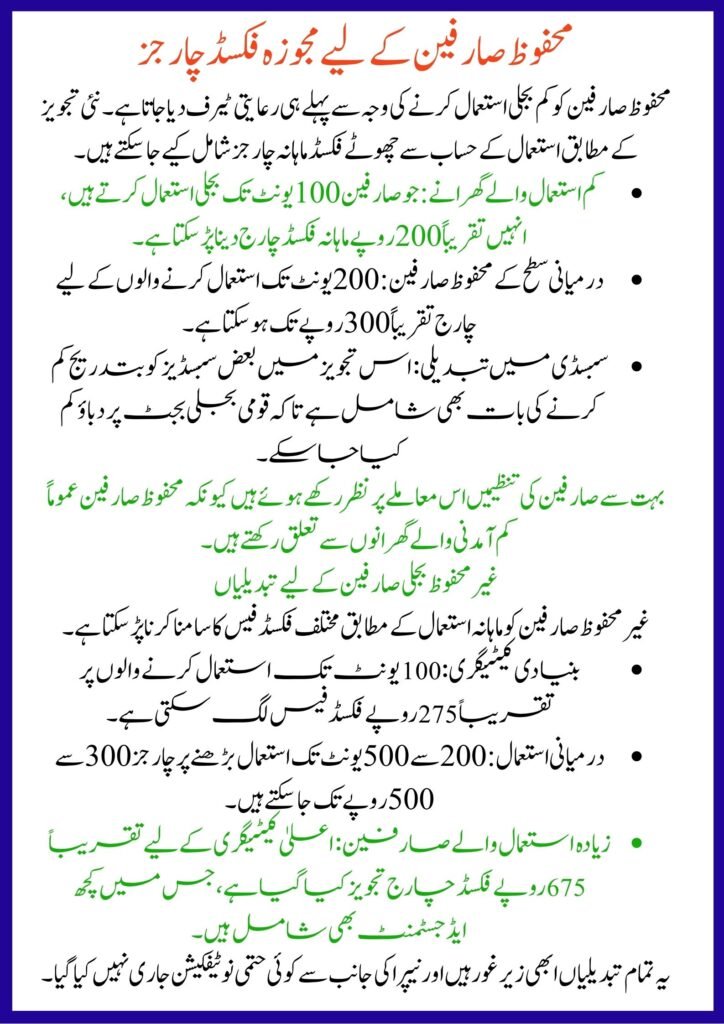
| Category | Proposed Fixed Charge |
|---|---|
| Protected up to 100 units | Rs200 |
| Protected up to 200 units | Rs300 |
| Non-protected up to 100 units | Rs275 |
| Non-protected up to 200 units | Rs300 |
| Non-protected up to 300 units | Rs350 |
| 301–400 units/month | Rs400 |
| 401–500 units/month | Rs500 |
| Higher-use categories | Up to Rs675 |
Why NEPRA weighs fixed charges after net metering reforms
The National Electric Power Regulatory Authority is reviewing fixed monthly charges as part of wider electricity sector adjustments. Officials say the aim is to balance costs between grid users and solar prosumers after net metering was replaced by a net billing system under the Prosumer Regulations 2026.
Under the earlier net metering model, solar users could exchange electricity units one-for-one with the grid. The new system changes that balance by setting a buyback rate close to the national average purchase price. Information shared during hearings and reports comes from the official regulator details covering Pakistan’s power policy updates.
Also Read ; 8070 SMS CNIC Check Online 2026
Proposed fixed charges for protected consumers
Protected consumers currently receive discounted tariffs because of low electricity usage. The new proposal suggests adding small fixed fees depending on consumption.
- Low-usage households: Users consuming up to 100 units may pay around Rs200 as a fixed monthly charge.
- Moderate protected users: Those using up to 200 units could see charges close to Rs300.
- Subsidy adjustments: The proposal also includes a gradual reduction of certain subsidies to reduce pressure on the national power budget.
Many consumer groups are watching closely because protected users are usually from lower-income households.
Changes for non-protected electricity users
Non-protected consumers could face a wider range of fixed fees depending on how much electricity they use each month.
- Basic category: Up to 100 units may carry a fixed fee of around Rs275.
- Mid-range usage: Charges may rise from Rs300 to Rs500 as consumption increases from 200 to 500 units.
- High-use consumers: A fixed charge of about Rs675 has been proposed for higher categories with certain adjustments.
These changes are still under review, and NEPRA has not issued a final notification.
Net billing system and solar prosumers explained
The shift from net metering to net billing has become one of the biggest discussions in Pakistan’s energy market. Under the new framework, utilities buy excess electricity at a lower national average rate while selling power at the standard consumer tariff.
- Buyback rate: Surplus electricity is expected to be purchased at around Rs11 per unit.
- Consumer tariff gap: Grid electricity prices can exceed Rs40 per unit, creating a difference between buying and selling rates.
- Contract duration: Standard agreements are reduced from seven years to five years.
The regulations apply to solar, wind, and biogas systems, with a maximum system size capped at 1 megawatt and linked to sanctioned load capacity.
Technical rules and operational requirements
Along with pricing changes, NEPRA introduced technical limits to manage distributed generation safely. These measures aim to prevent grid overload and ensure reliable supply.
- Transformer limit: New connections may be blocked if generation reaches 80% of transformer capacity.
- Load-flow study: Systems of 250kW or more must undergo mandatory analysis before approval.
- Interconnection costs: Prosumers must cover meters, upgrades, and a Rs1,000 per kilowatt concurrence fee.
Existing prosumers will continue under their current agreements until they expire, which offers some stability for earlier solar investors.
Step-by-step: How consumers can stay updated
- Visit NEPRA’s official website for hearing updates and announcements.
- Check your electricity bill category to see if you are protected or non-protected.
- Follow energy news reports from trusted national outlets.
- Contact your local DISCO for clarification on billing changes.
- Wait for the final decision, as proposals can change before approval.
These steps are based on publicly available guidance and information compiled from official sources and major news coverage.
Helpline & Contact Information
Consumers who want more details about billing or policy changes can reach out through publicly listed support channels.
- NEPRA Helpline: 051-9206500 (general inquiry number listed online).
- Official Website: Search “NEPRA Pakistan” to access updates, hearings, and consumer notices.
- Local DISCO Offices: Customers can visit their electricity distribution company for billing help.
Contact details are collected from widely available Google listings and official regulator information pages.
Conclusion
The discussion around fixed monthly charges shows how Pakistan’s electricity sector is evolving after major net metering reforms. While NEPRA weighs fixed charges to balance financial pressures on the grid, many households remain concerned about rising costs and reduced subsidies. The proposals are still under consideration, which means final rates or categories may change. Consumers should stay informed through official announcements and trusted sources before drawing conclusions about future electricity bills.
FAQs
What does “NEPRA weighs fixed” charges mean?
It means the regulator is reviewing a proposal to introduce fixed monthly fees for certain electricity users, but no final decision has been announced yet.
Will protected consumers still receive subsidies?
Yes, but the proposal suggests some subsidy adjustments alongside small fixed charges.
How does net billing affect solar users?
Under net billing, excess electricity is sold to the grid at a set purchase price instead of exchanging units one-for-one like before.
When will the new charges be implemented?
There is no confirmed date. NEPRA is still reviewing the proposal and will issue a final decision after consultations.
Latest Updates
 Breaking Update: BISP Dynamic Survey 2026 – Online Registration & Verification Guide
 Breaking Update: CM Punjab E-Taxi Scheme 2026 – Apply Online & Get E-Taxi on Installments
 Big Update! CM Punjab High-Tech Farm Mechanization Finance Program 2026 – Online Registration Guide
 Breaking Update: Punjab Himmat Card 10,500 Payment 2026 – Check Status & New Rules
 Big Update! PM Laptop Scheme 2026: How to Check Status Online
 Breaking News! Punjab Boards Announced Intermediate Exam Shadule 2026 – Key Dates, Roll Numbers & Preparation Tips